
Orthopaedic trauma refers to injuries involving bones, joints, and soft tissues resulting from accidents, falls, or high-impact injuries. Prompt and appropriate trauma care plays a crucial role in restoring function and preventing long-term complications.
What Is Orthopaedic Trauma?
Orthopaedic trauma includes:
- Fractures
- Dislocations
- Crush injuries
- Ligament and tendon injuries
- Polytrauma involving multiple bones
These injuries may range from simple fractures to complex, life-altering conditions.
Importance of Early Intervention
Timely treatment is essential in trauma cases to:
- Prevent complications
- Reduce pain and swelling
- Restore alignment and stability
- Improve healing outcomes
Delayed or improper treatment can lead to deformity, stiffness, chronic pain, or arthritis.
Treatment Approaches in Trauma Care
Treatment depends on the type and severity of injury and may include:
- Immobilization using casts or braces
- Closed reduction of fractures
- Surgical fixation with plates, screws, or rods
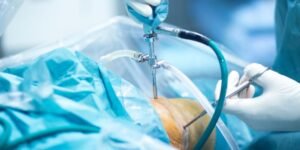
- Minimally invasive trauma techniques when appropriate
The goal is to restore normal anatomy while preserving surrounding tissues.
Rehabilitation After Trauma
Rehabilitation begins as soon as medically possible. Physiotherapy focuses on:
- Restoring movement
- Improving muscle strength
- Preventing stiffness
- Regaining functional independence
A guided rehabilitation program significantly improves long-term outcomes.
Role of Advanced Surgical Techniques
Modern orthopaedic trauma care utilizes advanced imaging, minimally invasive fixation, and precise surgical planning to improve recovery and reduce complications.
Long-Term Recovery and Follow-Up
Regular follow-up ensures proper healing and identifies potential complications early. Patients are advised on activity modification and gradual return to daily activities.
Conclusion
Orthopaedic trauma requires expert care, timely intervention, and structured rehabilitation. With the right treatment approach, patients can regain mobility, independence, and quality of life.