Experienced Orthopaedic and Sports Injury Specialist known for expert trauma care, advanced arthroscopy, and patient-focused treatment that restores mobility and function.

Frozen Shoulder Treatment in Lucknow
Are you experiencing stiffness, pain, and reduced movement in your shoulder that makes daily activities difficult? Frozen Shoulder Treatment in Lucknow, offered by Dr. Yogesh Jain, provides advanced solutions to relieve pain, restore mobility, and improve quality of life. With expertise in arthroscopy and sports injury management, Dr. Jain delivers precise, patient-centered care for long-term recovery.
Frozen Shoulder Treatment in Lucknow
Are you experiencing stiffness, pain, and reduced movement in your shoulder that makes daily activities difficult? Frozen Shoulder Treatment in Lucknow, offered by Dr. Yogesh Jain, provides advanced solutions to relieve pain, restore mobility, and improve quality of life. With expertise in arthroscopy and sports injury management, Dr. Jain delivers precise, patient-centered care for long-term recovery.
What is Frozen Shoulder?
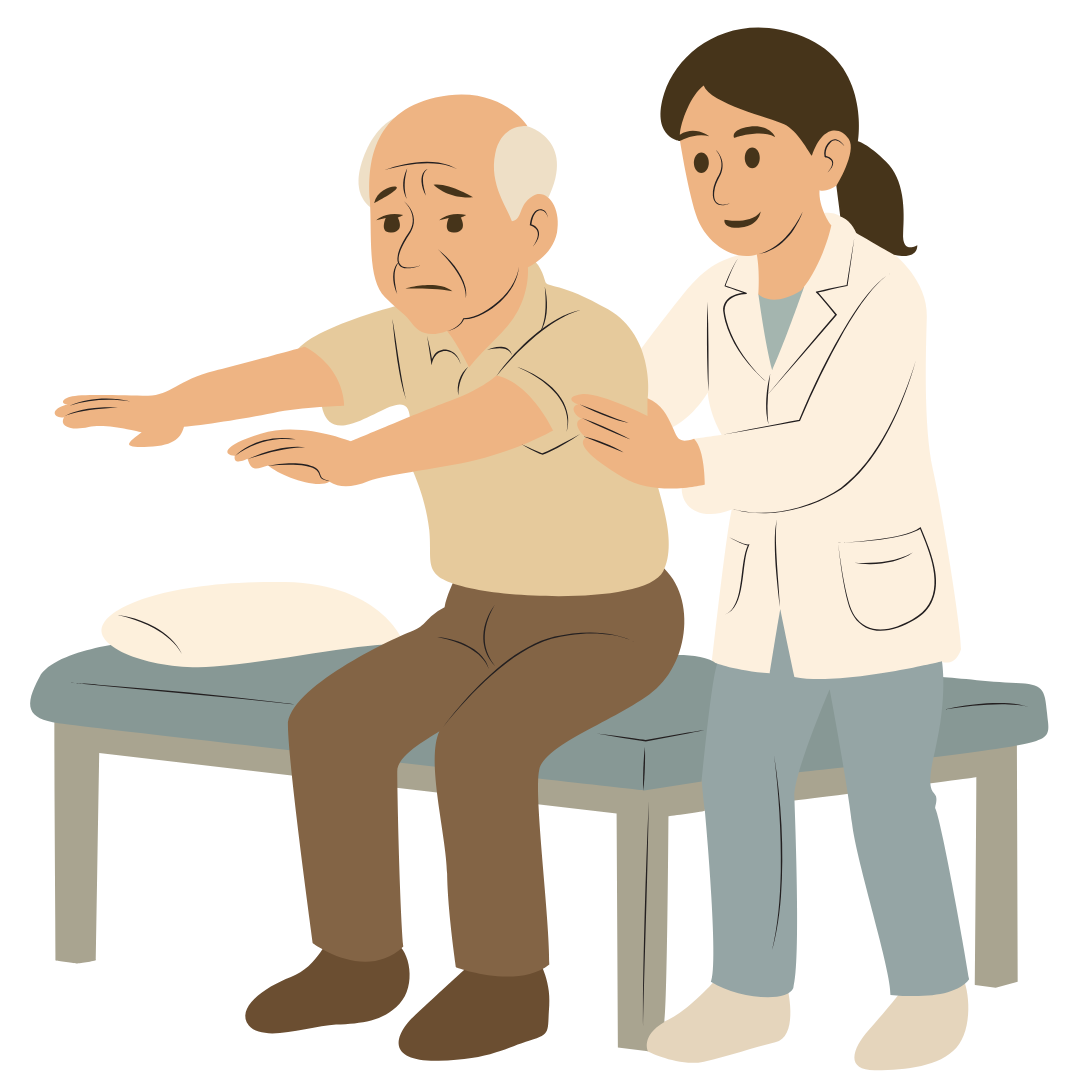
Frozen Shoulder, medically known as Adhesive Capsulitis, is a painful and disabling shoulder condition where the soft tissues surrounding the shoulder joint become inflamed, thickened, and tight. As the capsule stiffens, the shoulder gradually loses its ability to move freely, leading to significant discomfort and restricted mobility.
This condition usually develops slowly and in stages, and without proper treatment, it can take months to years for complete recovery. Frozen shoulder often affects people between the ages of 40 and 60, and is more common in individuals with diabetes, thyroid issues, prolonged immobilization after injury or surgery, or inflammatory conditions.
The Condition Progresses in Three Stages
1. Freezing Stage – Increasing Pain & Stiffness
During this early phase, patients experience a gradual onset of shoulder pain, especially at night or during movement. As the inflammation worsens, shoulder mobility begins to decrease. This stage may last 6 weeks to 9 months.
2. Frozen Stage – Reduced Pain but Limited Mobility
While the pain may slowly improve, the shoulder remains stiff and movement becomes extremely limited. Many daily activities—like reaching overhead, dressing, or lifting objects—become difficult. This stage typically lasts 4 to 6 months.
3. Thawing Stage – Gradual Return of Motion
In the final phase, the shoulder slowly regains flexibility and strength. Regular physiotherapy and targeted stretching significantly speed up recovery. This stage can last 6 months to 2 years, depending on severity and treatment.
Causes and Symptoms of Frozen Shoulder
Frozen Shoulder develops when the shoulder capsule—the connective tissue that surrounds the joint—becomes inflamed, thickened, and tight, leading to pain and restricted movement. While the exact cause is not always known, several risk factors and underlying conditions are strongly associated with its development.
Causes of Frozen Shoulder
Frozen Shoulder does not usually happen suddenly. Instead, it progresses due to factors that trigger inflammation or limit shoulder use:
1. Prolonged Immobilization
Keeping the shoulder still for long periods—after a fracture, injury, or surgery—can cause the capsule to tighten, leading to stiffness and pain.
2. Diabetes
People with Type 1 or Type 2 diabetes are at a much higher risk of developing frozen shoulder due to changes in connective tissue elasticity.
3. Thyroid Disorders
Both hypothyroidism and hyperthyroidism are linked to increased inflammation affecting shoulder mobility.
4. Previous Shoulder Injuries
Rotator cuff tears, dislocations, or tendonitis can restrict motion and increase the risk of developing adhesive capsulitis.
5. Autoimmune or Inflammatory Conditions
Rheumatoid arthritis or other inflammatory diseases can contribute to capsule thickening.
6. Age and Gender
Frozen shoulder is most common between 40–60 years, and women are slightly more prone to developing it.
Despite these risk factors, the condition can sometimes appear without any clear cause, known as idiopathic frozen shoulder.
Symptoms of Frozen Shoulder
The symptoms of frozen shoulder typically worsen gradually and follow the three main phases:
1. Persistent Shoulder Pain
Aching, dull pain around the outer shoulder and upper arm
Pain intensifies during movement
Night pain that disrupts sleep
2. Progressive Stiffness
Difficulty lifting the arm overhead
Trouble reaching behind the back or head
Limited range of motion in all directions
3. Restricted Function in Daily Activities
Activities like wearing clothes, combing hair, driving, or reaching for objects become difficult or impossible.
4. Gradual Loss of Strength
As the shoulder becomes more stiff and painful, the surrounding muscles weaken due to reduced activity.
Procedure of Frozen Shoulder Surgery
Frozen Shoulder Surgery—also known as Arthroscopic Capsular Release—is a minimally invasive procedure designed to relieve stiffness, restore mobility, and reduce pain when conservative treatments like physiotherapy or injections fail to provide relief. Dr. Yogesh Jain performs this procedure using advanced arthroscopic techniques that ensure precision, safety, and faster recovery.
Here is how the surgery is performed:
1. Anesthesia – Ensuring a Comfortable Experience
The procedure begins with general or regional (nerve block) anesthesia so the patient experiences no pain during surgery. Regional anesthesia also helps reduce postoperative discomfort.
2. Arthroscopic Access – Small Keyhole Incisions
Dr. Jain creates tiny keyhole incisions around the shoulder through which a thin camera (arthroscope) and specialized instruments are inserted.
This minimally invasive approach allows clear visualization of the joint while keeping tissue damage to a minimum.
3. Capsular Release – Restoring Movement
The shoulder capsule, which becomes thickened and tight in frozen shoulder, is precisely released and loosened using arthroscopic instruments.
Dr. Jain targets the contracted areas safely, allowing the shoulder to regain its natural range of motion.
This step is crucial in relieving stiffness and breaking the cycle of pain and restricted movement.
4. Manipulation Under Anesthesia (If Needed)
In some cases, gentle movement of the shoulder may be performed while the patient is asleep to further enhance mobility—always done carefully to avoid injury.
5. Closure – Minimal Scarring, Quick Healing
The small incisions are closed with tiny stitches or skin adhesive, leaving almost invisible scars.
A sterile bandage is applied, and the patient is moved to recovery shortly after.
Frozen Shoulder Treatment in Lucknow with Dr. Yogesh Jain
By choosing Dr. Yogesh Jain, patients benefit from:
Specialized Sports Injury Expertise – Fellowship-trained in advanced arthroscopy.
Personalized Physiotherapy Programs – Tailored exercises for faster mobility restoration.
Minimally Invasive Approach – Quicker recovery, less pain, and smaller scars.
Comprehensive Care – From diagnosis to rehabilitation, full support at Medanta Hospital, Lucknow.
Cost of Frozen Shoulder Treatment in Lucknow
The cost of Frozen Shoulder treatment in Lucknow can vary depending on the specific type of care required and the overall severity of the condition. Since frozen shoulder can often be managed with non-surgical treatments—but may require surgery in advanced or unresponsive cases—the total expense differs from patient to patient.
Here are the key factors that influence the overall cost:
1. Type of Treatment Required
Non-Surgical Treatment: Includes medications, physiotherapy sessions, ultrasound therapy, and injections.
Surgical Treatment: Arthroscopic capsular release is recommended for severe stiffness that does not improve with conservative care.
Non-surgical care is generally more affordable, while surgery includes operation theatre charges, surgeon fees, and postoperative rehabilitation.
2. Hospital Facilities and Stay Duration
If surgery is performed, the cost depends on:
Choice of hospital room (standard, deluxe, or suite)
Operation theatre technology and equipment
Length of hospital stay (typically short due to minimally invasive techniques)
Medanta Hospital, Lucknow offers world-class facilities that ensure safety and comfort.
3. Physiotherapy and Rehabilitation Needs
Recovery from frozen shoulder—especially after surgery—requires structured physiotherapy.
The number of sessions and duration of the rehabilitation program contributes to the total cost.
4. Diagnostic Investigations
Evaluation may include:
X-rays
MRI scans
Blood tests
Clinical assessments
The need for advanced imaging can affect the final treatment cost.
Transparent Pricing & Insurance Support
Dr. Yogesh Jain follows a transparent pricing policy, ensuring patients fully understand all costs before beginning treatment.
His team also assists patients with insurance guidance, helping them make the most of available coverage, especially for surgical procedures.
Recovery & Rehabilitation After Frozen Shoulder Treatment
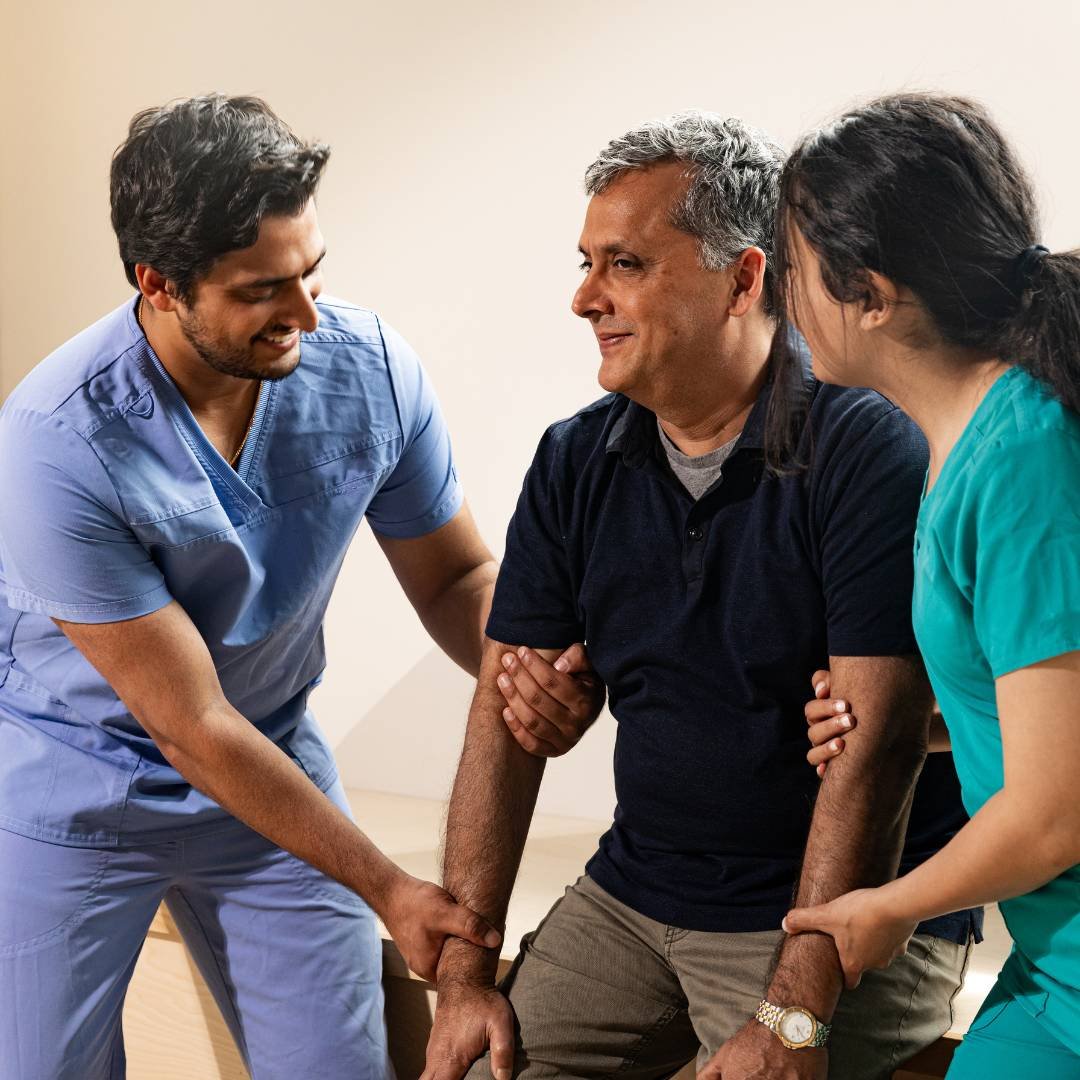
Recovery from Frozen Shoulder varies based on the severity of the condition, the stage at which treatment begins, and whether non-surgical or surgical management is required. With the right approach, most patients can regain shoulder mobility, reduce pain, and return to their daily activities without limitations.
Dr. Yogesh Jain provides a personalized rehabilitation plan tailored to each patient’s recovery needs, ensuring safe and effective progress.
Recovery After Non-Surgical Treatment
For many patients, frozen shoulder improves gradually with a structured physiotherapy program.
Timeline for Non-Surgical Recovery:
3–6 Months:
Regular physiotherapy, stretching exercises, and pain management techniques help gradually restore movement.
Mild stiffness may persist initially, but consistent therapy improves flexibility and function over time.
Non-surgical care focuses on strengthening surrounding muscles, reducing inflammation, and restoring joint mobility at a natural pace.
Recovery After Arthroscopic Frozen Shoulder Surgery
Patients undergoing arthroscopic capsular release often experience a quicker and more predictable recovery.
First 2–4 Weeks: Pain Relief & Gentle Exercises
Pain and swelling begin to decrease.
Gentle passive and active range-of-motion exercises are started early to prevent stiffness.
Ice therapy and medications help manage discomfort.
Weeks 4–8: Improved Movement & Guided Physiotherapy
Mobility increases steadily with focused physiotherapy.
Strengthening exercises begin to restore shoulder stability.
Patients notice better function in daily activities like dressing, reaching overhead, and lifting light objects.
3–6 Months: Strength Restoration & Return to Routine
Strength and flexibility continue to improve.
Most patients resume normal activities without pain.
Full recovery, including return to sports or heavy physical work, occurs gradually depending on adherence to therapy.
Excellent Outcomes with Consistent Rehabilitation
With dedicated physiotherapy, proper home exercise routines, and regular follow-up visits with Dr. Jain, most patients achieve near-complete or complete recovery. Early intervention and commitment to rehabilitation significantly shorten recovery time and ensure long-lasting results.
Frequently Asked Questions
Clear Guidance for Your Frozen Shoulder Treatment Journey
How long does frozen shoulder take to heal?
With treatment, recovery typically takes 6–12 months; without treatment, it may take longer.
Can frozen shoulder heal without surgery?
Yes, many patients improve with physiotherapy, medications, and injections. Surgery is only for resistant cases.
Who is more at risk for frozen shoulder?
People with diabetes, thyroid issues, or prolonged immobility are at higher risk.
Is frozen shoulder surgery safe?
Yes, arthroscopic release is safe, minimally invasive, and highly effective.
Will frozen shoulder come back after treatment?
Recurrence is rare if proper rehabilitation is followed.
Patient Testimonials
Patient Voices, Healing Journeys
Dr. Yogesh Jain treated my knee injury with great care. His guidance and surgical expertise helped me recover quickly. I am walking pain-free again and highly recommend him to everyone.
Ramesh Verma
Lucknow
I had a shoulder arthroscopy done by Dr. Jain. The results were excellent, and his compassionate approach gave me confidence. Today I am back to sports without any restrictions.
Anita Sharma
Delhi
My mother underwent knee replacement surgery with Dr. Yogesh Jain. She is now walking comfortably within weeks. We are grateful for his skilled hands and patient-focused care throughout.
Suresh Gupta
Kanpur
I consulted Dr. Jain for a ligament tear. His diagnosis was accurate, and surgery went smoothly. Thanks to his rehabilitation plan, I returned to work much earlier than expected.
Priya Mehta
Lucknow
Dr. Yogesh Jain is truly professional and humble. He explained everything clearly before my hip replacement surgery. Recovery was smooth, and I feel stronger every day. Highly trusted orthopaedic surgeon.
Vikas Malhotra
Noida
I suffered a complex trauma injury and was treated by Dr. Jain. His surgical expertise and attentive follow-up ensured excellent recovery. I am grateful for his dedication and personalized care.
Sunita Agarwal
Bareilly
Dr. Jain performed my elbow replacement surgery. His precision and post-surgery care were outstanding. I regained mobility sooner than expected. I would strongly recommend him to anyone needing orthopaedic treatment.
Neha Bansal
Gorakhpur
Dr. Yogesh Jain is an exceptional surgeon. I underwent hip arthroscopy under his care. The procedure was smooth, recovery quick, and his constant support gave me confidence throughout the journey.
Meena Patel
Varanasi